


My MPH Capstone Project
Rebuilding the Village: Integrating Traditional Refugee Practices into U.S. Maternal Healthcare
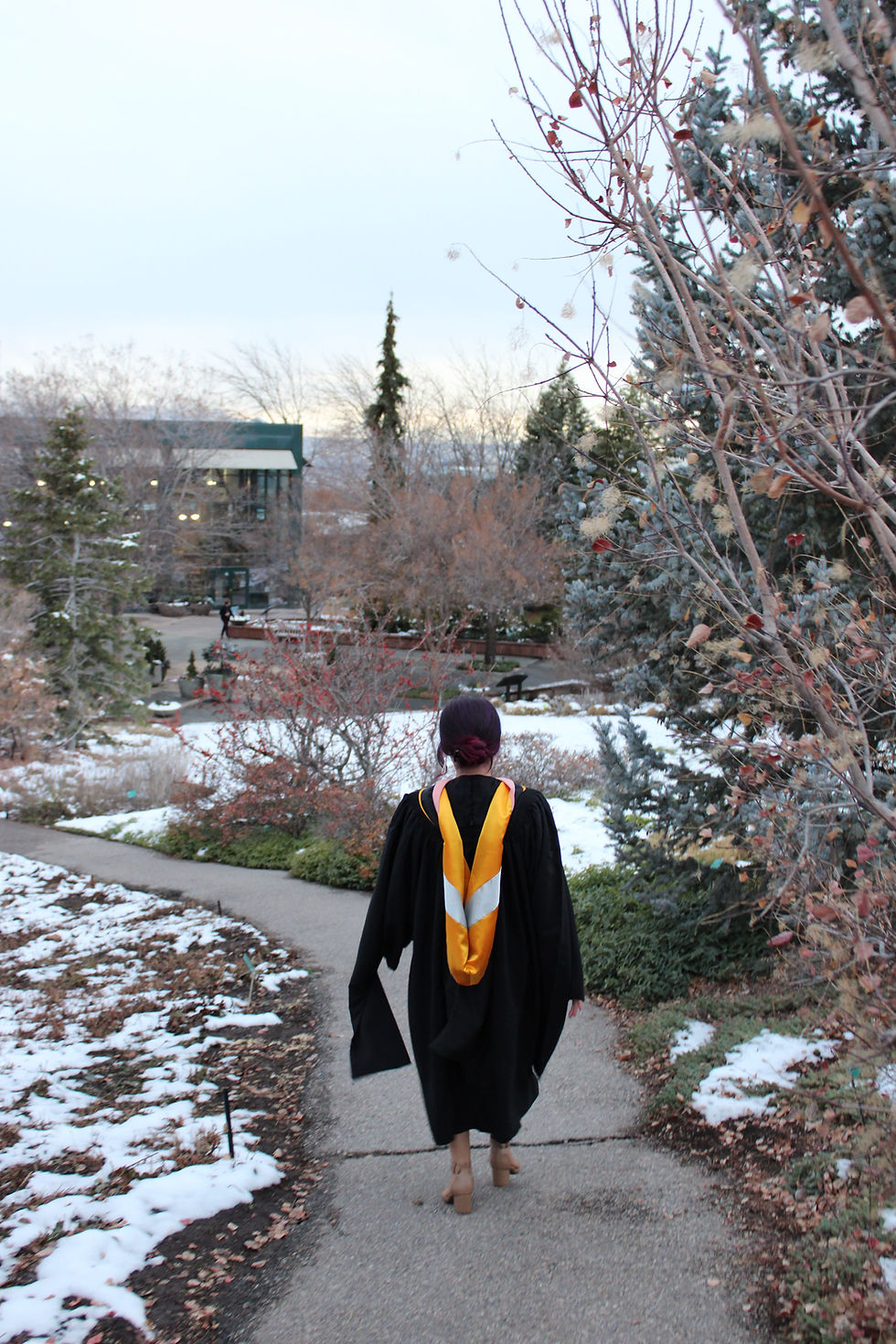
For the past year, I have been working on my Master of Public Health capstone project, and now that it is officially wrapped up, I wanted to share a little bit about what I learned and how it connects to the work I do every day as a midwife in Utah.
My project focused on refugee women’s experiences with pregnancy, birth, and postpartum care in the United States, specifically among families resettled in Salt Lake City through the International Rescue Committee. Many of these women come from places where birth is deeply community-centered, surrounded by aunties, neighbors, elders, traditional midwives, familiar foods, and practices passed down for generations. When they arrive in the U.S., that entire support system is suddenly gone. The way we structure maternal healthcare here, paired with the fact that many refugee families have no way to rebuild the support networks they once had, can make pregnancy and postpartum feel far more isolating than they should be.
I collected feedback from refugee mothers about what traditions they missed, what surprised them about U.S. maternity care, and what helped them feel respected and safe. Their responses were honest and insightful. Many talked about feeling unsupported without their cultural practices, whether that was postpartum rest, traditional foods, herbal care, or simply having women from their own community present. Others shared moments when a provider asked about their beliefs, and how much that small act meant.
The biggest takeaway was simple but powerful: culture matters in birth. Not just in a “nice extra” kind of way, but in a real, protective, mental health supporting, family strengthening way. When healthcare providers make space for cultural traditions, women feel safer and more connected. When those traditions are dismissed, the loss can be felt physically and emotionally.
As a midwife, none of this was surprising. But hearing it from women who had to leave everything behind and rebuild their lives here, then navigate pregnancy in a completely foreign system, made it hit differently. It reminded me why culturally responsive care is not optional, why listening is everything, and why rebuilding a sense of “village” matters for every family.
I’m grateful to the IRC, my preceptor, and especially the women who shared their stories. This project will shape how I continue to practice midwifery in Utah, always with cultural humility, always honoring traditions, and always remembering that birth is not just clinical care, it is community care.
If you’re curious about the project or interested in how culture shapes maternal health for refugee families, feel free to reach out. And if you are a provider working with diverse communities, I’m happy to share what I created.
Thanks for following along with this chapter. Onward!


Comments